A Diverse Flock’s Joy
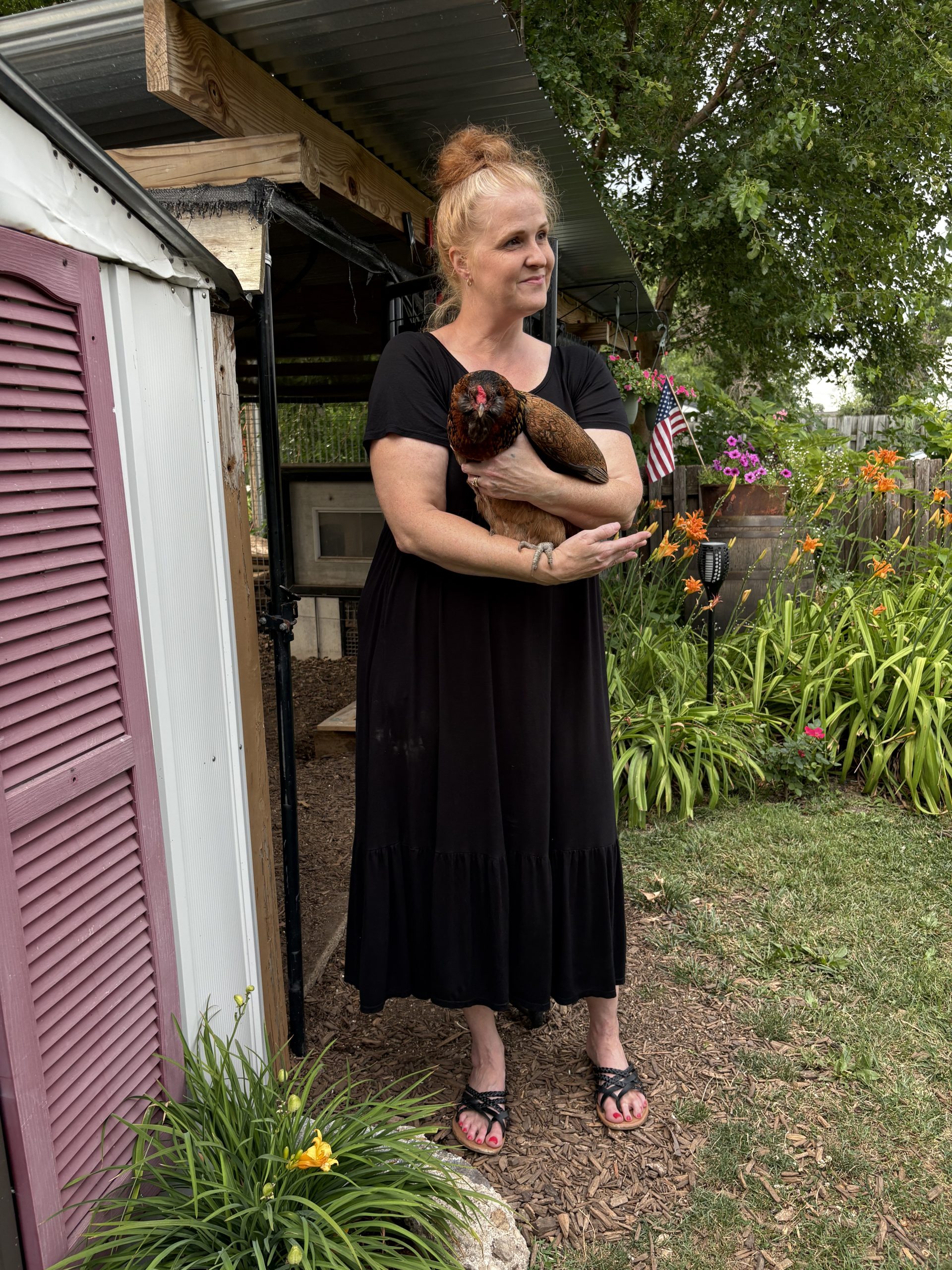
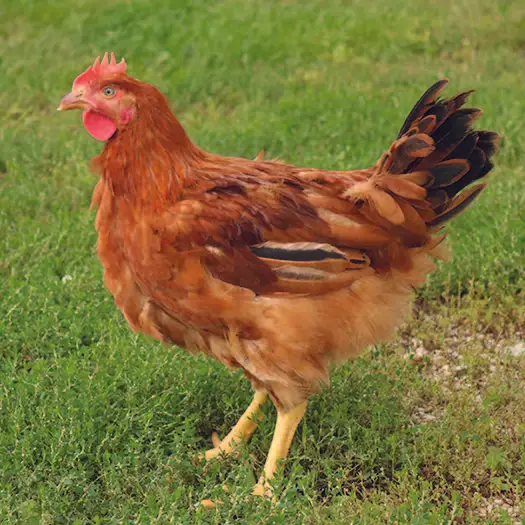
Our Rhode Island Red hen reminded us of the joy our flock of diverse breeds gives us.
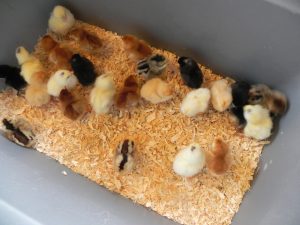
Years ago, we’d order a batch of chicks all of the same breed. Rhode Island Reds, Barred Rocks, Light Brahmas, and Buff Orpington’s were our favorites. We’d end up with six or eight pullets that all looked the same. By studying them carefully we could sometimes find slight differences in their feathers or combs that helped us tell one bird from the other but it took time.
Switching to a diverse flock gave us a new joy. Since each bird looks strikingly different from the others it was easy to tell one hen from the others. That helped us spot their varied traits. Do chickens have individual personalities? The diverse flock helped us figure that out.
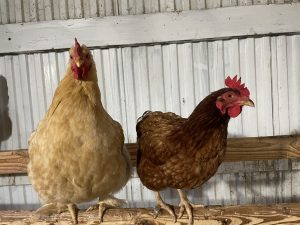
Our Rhode Island Red and Buff Cochin are examples. Because they look so different from each other and the other birds in our flock, we noticed that they chose to roost next to each other every night. Were they “friends”? Well, it looked that way. That seemed to be confirmed when our Cochin went broody and spent all her time keeping her clutch warm. The other hens went outside, but not Red. She stayed close to the broody Cochin. When the eggs hatched Red stayed close and appeared to help with motherhood.
Animal behaviorists might dismiss the idea that these two hens were friends, but they certainly seemed to be. If we had had a flock of all Cochins or Reds, we would have had a hard time distinguishing unusual behavioral traits from one bird to the other. So, being able to identify birds as individuals made our chicken hobby fascinating.
Building a Diverse Flock
When building a diverse flock, we start by deciding what egg color we want and the general size of mature hens. We favor brown eggs, in part because they tend to be laid by large birds that are usually tame and easy to manage. Even when eliminating white egg layers from our order we still have many breed options to choose from.
Over the years we’ve chosen chicks to buy based on our year’s theme. Hoover’s website lists the origin of most breeds and a photo of each, making it easy to build a diverse flock. Here are some of our past flocks.
Our Flock of the States: Marion’s from New Hampshire and Rich New Jersey, so one year our flock of the states included a New Hampshire Red and a Jersey Black Giant.
From there we added a Rhode Island Red, California White, Barred Plymouth Rock named for a Massachusetts landmark, and an Ohio Buckeye. To those we added a Delaware and a Wyandotte from New York. Our flock represented many states.
Our Flock of Different Nations: In another year we created an international flock that included a Brahma (possibly India), Cochin (China or Vietnam), Orpington and Sussex (England) a Bielefelder (Germany) an Australorp (Australia) and a Maran (France). We could have added an Americana, a breed with ancestors from South America.
In some years we’ve chosen breeds from all over the place. It created an international flock. They were of many feather colors with different feather patterns. Some had feathered shanks and most of the hens had different types of combs. All were good brown egg layers.
There was one other advantage. We collect eggs a couple of times a day. Often, we’d find a hen in the nest ready to lay. Because each of our hens has a different look it helped us determine which one was a steady layer and which might be a slacker – or broody.
Although our chickens represented different states and continents, they are actually Americans who began life in a Hoover’s Hatchery incubator. Since the hatchery is in the tiny town of Rudd, Iowa, all our chickens are truly Iowans!
Creating a diverse flock makes it easy for us to tell one bird from another and create distinctive flocks. We love watching a blend of different colored chickens enjoy hours wandering around their big run. Everyone is a bit different.